
Skin maceration is one of the most common yet overlooked challenges in wound management. When excess moisture lingers on or around a wound, it can weaken the surrounding skin, delay recovery, and increase the likelihood of complications.
What Is Skin Maceration?
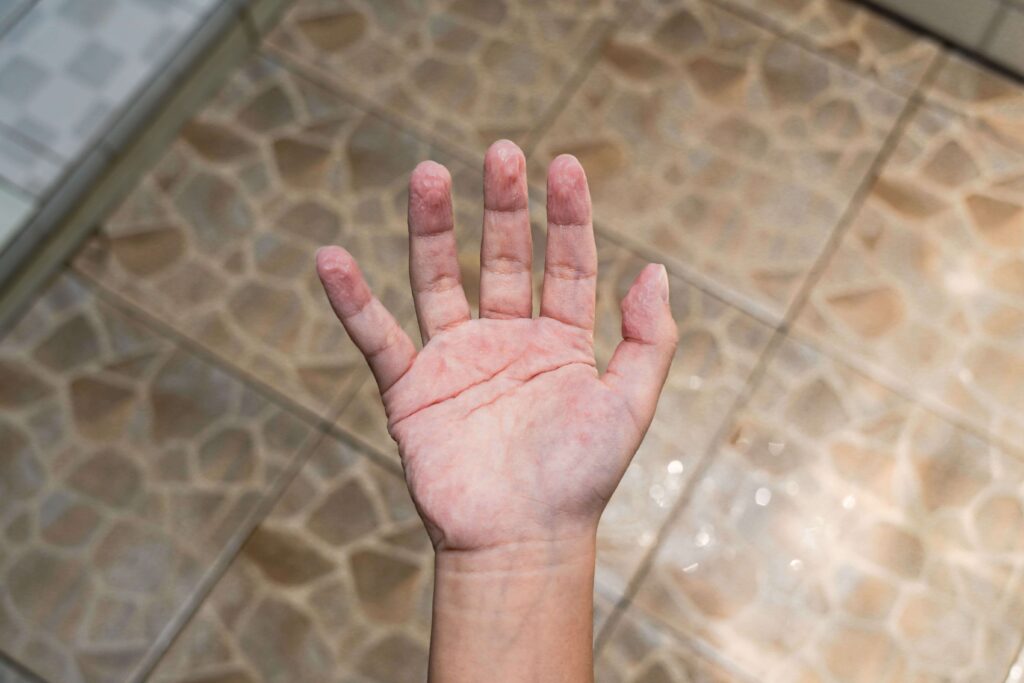
Skin maceration refers to the softening and breakdown of skin caused by prolonged exposure to moisture. When the skin remains wet for extended periods, its natural barrier function deteriorates. This leads to tissue that appears pale, wrinkled, and fragile, making it more susceptible to injury.
This issue frequently occurs in:
- Chronic wounds with heavy drainage
- Areas affected by incontinence
- Skin covered by occlusive dressings that trap excess moisture
- Regions where skin folds create friction and retain moisture
Over time, untreated maceration can compromise the integrity of surrounding tissue and interfere with proper wound healing.
Common Causes of Skin Maceration
Several factors contribute to the development of skin maceration, most of which are tied to poor moisture control:
- Excessive moisture exposure
Fluids such as wound exudate, sweat, or urine can accumulate and oversaturate the skin. - Inadequate drainage
When wound fluid cannot escape efficiently, it collects and prolongs wet conditions. - Improper dressing selection
Dressings that fail to balance moisture or are not changed regularly can worsen the problem. - Skin-to-skin contact
Areas where skin rubs together—such as under folds—can trap moisture and accelerate breakdown. - Underlying conditions
Issues like diabetes or vascular disease can increase susceptibility to complications related to maceration.
Identifying the root cause is essential for selecting the right treatment approach and preventing recurrence.
Why Skin Maceration Matters
While skin maceration is not typically life-threatening, it can significantly interfere with recovery. The damaged skin becomes less effective as a protective barrier, allowing bacteria to enter more easily.
Potential complications include:
- Delayed wound healing
- Increased risk of infection
- Skin inflammation and irritation
- Pain or discomfort
- Development of chronic, non-healing wounds
Left unaddressed, these issues can escalate and require more advanced medical intervention.
Excoriation vs. Skin Maceration
It’s easy to confuse maceration with excoriation, but they stem from different causes:
- Excoriation results from physical damage such as scratching, friction, or repeated irritation. It often affects otherwise intact skin.
- Skin maceration is caused by excessive moisture and typically occurs in or around an existing wound.
Recognizing the distinction helps ensure the correct treatment plan is applied.
Treatment Options for Skin Maceration
Managing skin maceration focuses on restoring moisture balance while protecting fragile tissue. Effective care often involves a combination of the following steps:
1. Gentle Cleansing
- Use a mild, pH-balanced cleanser
- Remove debris, bacteria, and excess moisture without damaging delicate skin
- Avoid harsh scrubbing, which can worsen irritation
2. Moisture-Controlled Dressings
- Select dressings designed to regulate fluid levels
- Options like foams, hydrocolloids, or hydrogels can help maintain an optimal environment
- Ensure dressings are changed at appropriate intervals
3. Frequent Monitoring
- Inspect the wound regularly for changes in color, texture, or drainage
- Watch for signs of infection or worsening maceration
- Early intervention can prevent more serious complications
4. Address the Underlying Cause
- Manage incontinence with appropriate products and hygiene routines
- Improve airflow to reduce sweating
- Ensure proper wound drainage to prevent fluid buildup
Working with a wound care specialist team can help tailor these strategies to the specific needs of each patient.
Preventing Skin Maceration
Prevention is often more effective than treatment when it comes to skin maceration. Maintaining the right balance of moisture makes the difference.
Consider the following preventive measures:
- Choose appropriate dressings
Use materials that wick away excess fluid while keeping the wound adequately hydrated - Change dressings regularly
Avoid leaving saturated dressings in place for too long - Protect surrounding skin
Apply barrier creams or films to shield vulnerable areas - Promote proper drainage
Ensure that wound exudate does not accumulate - Perform routine skin checks
Early signs of maceration—such as whitening or softening—should be addressed immediately
These steps support healthier tissue and reduce the likelihood of setbacks.
Advanced Support for Better Outcomes
For individuals dealing with persistent or complex wounds, professional care can make a significant difference. Services like mobile wound care bring treatment directly to patients, improving access and consistency.
By combining clinical expertise with personalized strategies, providers can better support long-term wound healing and reduce the risk of complications.
When to Seek Professional Help
If a wound shows no signs of improvement, becomes increasingly moist, or develops signs of infection, it’s important to seek medical attention promptly.
A specialized provider can:
- Evaluate the severity of skin maceration
- Recommend advanced dressings or therapies
- Address contributing health issues
- Create a customized care plan
Early intervention not only protects the skin but also promotes faster and more effective recovery.
By controlling moisture, selecting the right treatments, and staying proactive, it’s possible to protect the skin and support a smoother healing process.
Additionally, a holistic wound care approach considers underlying health conditions, nutrition, and lifestyle factors that influence recovery.
Skin Maceration FAQs
What is skin maceration?
Skin maceration is the softening and breakdown of skin caused by prolonged exposure to moisture. It often appears as pale, wrinkled, or fragile skin around a wound.
What causes skin maceration?
Common causes include excess wound drainage, sweat, urine exposure, poor drainage, and dressings that trap too much moisture or are not changed frequently enough.
Is skin maceration dangerous?
While not usually life-threatening, it can delay wound healing, increase infection risk, and lead to pain or chronic wounds if left untreated.
How is skin maceration treated?
Treatment involves gentle cleansing, using moisture-balancing dressings, monitoring the wound regularly, and addressing the source of excess moisture.
Can skin maceration be prevented?
Yes. Proper dressing selection, regular changes, protecting surrounding skin, and managing moisture levels can help prevent skin maceration.