
Arterial ulcers are painful, slow-healing wounds that typically develop on the lower legs, feet, or toes due to poor circulation. When blood flow is restricted, the skin and underlying tissue are deprived of oxygen and nutrients, making even small injuries difficult to repair. Without proper arterial ulcer treatment, these wounds can worsen quickly, increasing the risk of infection, tissue damage, and more serious complications.
What Causes Arterial Ulcers?
Arterial ulcers form when arteries become narrowed or blocked, limiting the delivery of oxygen-rich blood to tissues. This condition is often linked to underlying vascular disease and other chronic health issues.
Common causes include:
- High cholesterol levels that contribute to plaque buildup
- Diabetes, which affects both circulation and nerve function
- Smoking, which damages blood vessels and reduces oxygen delivery
- High blood pressure that strains arterial walls
- Atherosclerosis (hardening and narrowing of arteries)
- Peripheral Artery Disease (PAD), a major contributor to poor circulation
- Physical trauma or injury to the affected area
- Limited mobility, which reduces healthy blood flow
- Aging, which naturally affects vascular health
Additional risk factors may include kidney disease, inflammatory conditions such as Rheumatoid Arthritis, or blood disorders like Sickle Cell Anemia. Improper footwear and structural foot problems can also increase pressure and lead to ulcer formation.
Are arterial ulcers dangerous if left untreated?
Yes, without proper arterial ulcer treatment, these wounds can worsen and lead to infection, tissue damage, or even amputation. Early diagnosis and consistent care significantly reduce these risks.
Can arterial ulcers be prevented?
In many cases, yes. Preventive steps include managing chronic conditions, quitting smoking, wearing proper footwear, and checking your feet regularly for early signs of damage. Maintaining good circulation can help with avoiding these types of ulcers.
What Are the Signs and Symptoms of Arterial Ulcers?
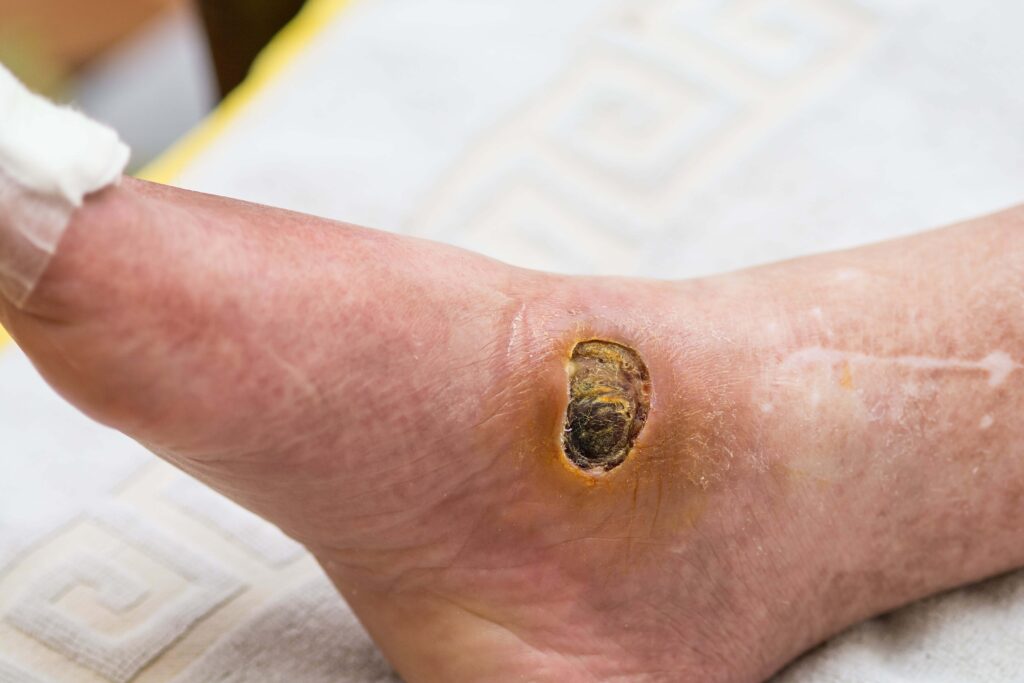
These wounds often appear on areas of the foot that experience pressure, such as the toes, heels, or outer ankle.
Typical characteristics include:
- A round, “punched-out” wound with clearly defined edges
- A wound base that may appear yellow, brown, gray, or black
- Cool or cold skin surrounding the ulcer
- Pain that intensifies at night or when the leg is elevated
- Skin that turns pale when raised and reddish when lowered
- Thin, shiny, dry skin with little or no hair growth
Unlike other types of wounds, arterial ulcers tend to bleed very little due to poor circulation. The affected area may also have a weak or absent pulse.
Signs of infection require immediate medical attention and may include:
- Fever or chills
- Foul odor from the wound
- Increased drainage or pus
- Swelling or spreading redness
Arterial vs. Venous Ulcers
Although both arterial and venous ulcers affect the lower extremities, their causes and presentation differ significantly.
Location:
- Arterial ulcers usually develop on toes, heels, or pressure points
- Venous ulcers are more common on the inner ankle or lower leg
Cause:
- Arterial ulcers result from poor blood flow through arteries
- Venous ulcers occur due to improper blood return through veins
Appearance:
- Arterial ulcers are deep with defined borders
- Venous ulcers are typically shallow with irregular edges
Symptoms:
- Arterial ulcers are often very painful
- Venous ulcers may cause swelling, itching, and fluid drainage
Arterial Ulcer Treatment Options
Effective arterial ulcer treatment focuses on improving circulation, protecting the wound, and addressing underlying conditions. A personalized care plan is essential for healing and preventing recurrence.
1. Medical Evaluation and Diagnosis
Healthcare providers assess circulation using methods such as capillary refill tests or imaging studies. Identifying the severity of reduced blood flow is critical to determining the next steps.
2. Proper Wound Care
Keeping the ulcer clean and protected supports tissue repair. This may include:
- Specialized dressings to maintain a stable environment
- Regular cleaning to reduce bacteria
- Monitoring for changes in size, color, or drainage
3. Pressure Offloading
Reducing pressure on the affected area is essential. Options include:
- Custom orthopedic footwear
- Protective padding or braces
- Limited weight-bearing when necessary
4. Infection Management
If infection develops, antibiotics or topical treatments may be prescribed to prevent complications and support recovery.
5. Restoring Blood Flow
Improving circulation is often the most critical component of arterial ulcer treatment. Depending on severity, this may involve:
- Minimally invasive procedures like angioplasty
- Surgical bypass to reroute blood flow around blockages
6. Lifestyle Modifications
Long-term success depends on addressing risk factors:
- Quitting smoking to improve vascular health
- Managing blood pressure and cholesterol levels
- Following a balanced diet rich in nutrients
- Engaging in safe, doctor-approved physical activity
In some cases, patients benefit from mobile wound care. This approach allows individuals to receive consistent treatment in their own environment, improving adherence and comfort.
Prevention and Long-Term Management
Preventing arterial ulcers is often more effective than treating advanced wounds. Daily habits and routine care play a major role.
Prevention strategies include:
- Inspecting feet and legs regularly for early signs of damage
- Wearing properly fitted, supportive shoes
- Avoiding walking barefoot, especially on hard surfaces
- Staying hydrated and maintaining balanced nutrition
- Avoiding prolonged sitting or crossing legs, which can restrict blood flow
Working with a wound care specialist team ensures that underlying conditions are closely monitored and managed over time.
The Value of Comprehensive Arterial Ulcer Treatment
Successful recovery often requires more than basic wound treatment. A holistic wound care approach considers the full picture, circulation, nutrition, underlying disease, and lifestyle factors, all working together to support wound healing.
By addressing both the wound and its root cause, patients have a stronger chance of healing, reduced complications, and improved quality of life.

FAQs About Arterial Ulcer Treatment
What is arterial ulcer treatment?
Arterial ulcer treatment is centered on restoring proper blood flow, protecting the wound, and preventing infection. This often includes medical evaluation, specialized wound dressings, and procedures that improve circulation, along with managing underlying conditions like Peripheral Artery Disease.
How can I tell if I have an arterial ulcer?
Arterial ulcers are usually painful and appear on the toes, heels, or outer foot. They often have a “punched-out” look with defined edges, and the surrounding skin may feel cool or appear shiny. Pain may worsen when resting or elevating the leg.
What causes arterial ulcers to develop?
They are typically caused by reduced blood flow due to narrowed or blocked arteries. Conditions like Atherosclerosis, diabetes, smoking, and high blood pressure are common contributing factors.